
DeSoto Parish Parole or Probation
Parole and probation both permit a person to live outside a jail or prison while following set rules, but they begin in different ways. The Louisiana Board of Pardons and Committee on Parole decides parole matters. The Louisiana Department of Public Safety and Corrections, Division of Probation and Parole, supervises people assigned to state community supervision. A court imposes probation as part of a sentence. A parole decision follows a custodial sentence and may allow release before the full term expires.
Neither label means the underlying case vanished. A person released on bond is still in a pretrial case and is not on parole merely because the jail roster no longer lists them. A person transferred from the DeSoto Parish Detention Center to state custody has not reached community supervision at all. Confirm the kind of release first, then check the system that owns the next stage.
| Record question | Parole | Probation |
|---|---|---|
| How it starts | Release from a custodial sentence under a parole or diminution framework | A sentence or court order placing the person under community supervision |
| Decision source | Parole board decision and DPS&C release records | 42nd Judicial District Court judgment and minutes |
| Local verification | DPS&C status, board result, and assigned district | Court record, DPS&C status, and assigned district when state supervised |
| End point | Official discharge or full-term expiration, not physical release alone | Court or supervising agency record showing completion or discharge |
- Parole
- Community supervision after release from a custodial sentence under the controlling law or board action.
- Probation
- Court-ordered community supervision that may follow or replace time in custody.
- Discharge
- The official end of a custody or supervision obligation shown by the responsible agency’s record.
- Absconder
- A person alleged to have stopped required contact with supervision. The label is not a new conviction.
Check DeSoto Parish Post-Release Supervision
Verification works best as a chain. Louisiana does not offer one DeSoto Parish screen that settles every custody, parole, and probation question. Start with the record that identifies the person and the type of case. Then use the state record and the supervising district. A current jail roster is only a current-custody source, so an absent name is not proof of parole, probation, or discharge.
The official Louisiana Probation and Parole overview identifies the state division responsible for community supervision:
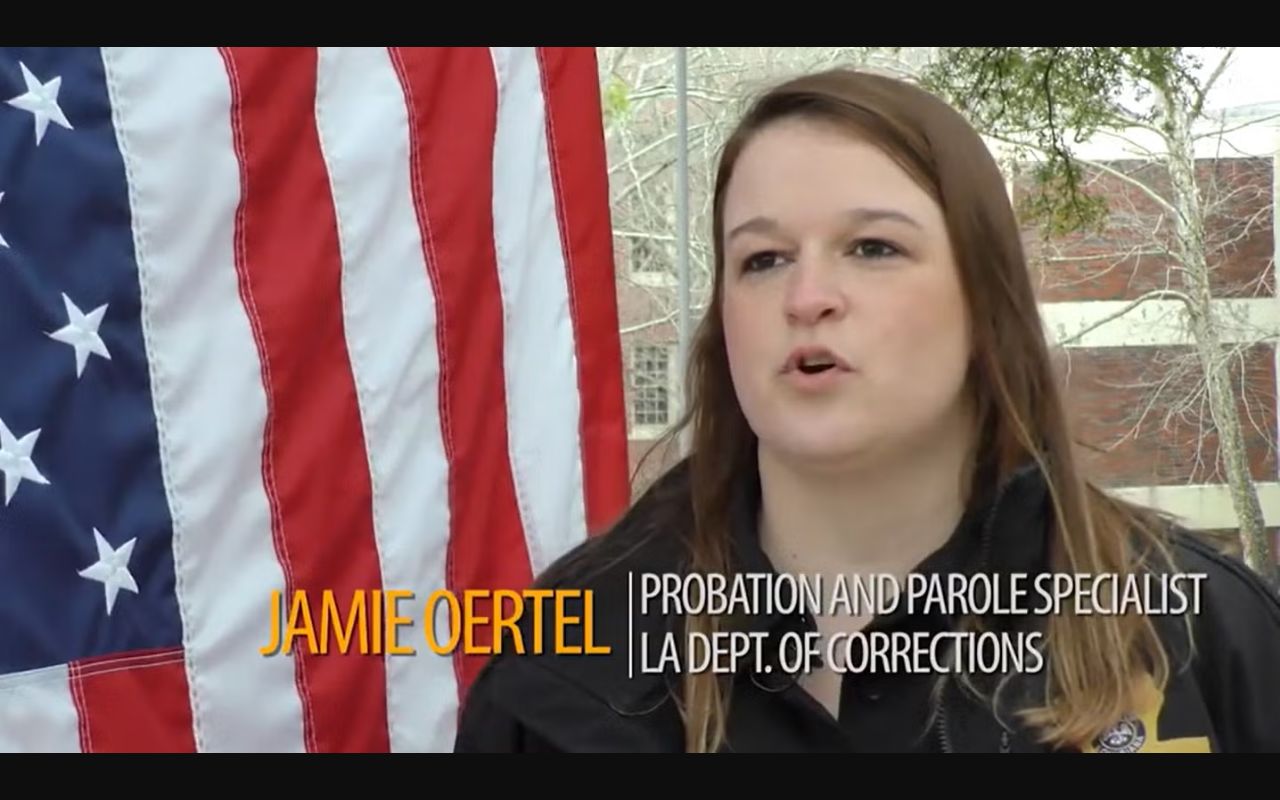
The state overview supplies the agency context; the Natchitoches District remains the local contact for a matched DeSoto Parish supervision record.
- Search Louisiana VINELink by name and any known identifier. Check whether the record belongs to the DeSoto sheriff or Louisiana DPS&C.
- Use the DPS&C offender-information route, or call 225-383-4580 with the DPS&C number or the person’s name and date of birth.
- For parole, review the Board’s official docket and later decision. A scheduled hearing is not a release, and a grant may still carry conditions.
- Contact the Natchitoches District with the full name, identifying information, and parish of residence or supervision. Ask whether the person is currently supervised and which office can verify the public status.
- For probation imposed in DeSoto Parish, compare the state supervision response with the 42nd Judicial District Court judgment, minutes, and later revocation or discharge entries.
Keep each result tied to its agency. A DeSoto sheriff record can show that local custody ended. A DPS&C record can show state custody or supervision. Court minutes explain the sentence. None should be silently treated as the other. If the sources conflict, note their update times and call the office that maintains the disputed status.
Important: Community supervision confirms that the person is outside physical custody under conditions. It does not prove the full sentence has expired.
DeSoto Parish Natchitoches Supervision District
DeSoto Parish is served by the Natchitoches District, not the Minden office. The district’s official page lists DeSoto with Natchitoches, Red River, Sabine, and Winn parishes. It also describes orientation meetings, monthly prerelease and reentry courses at parish detention facilities, and support during warrant sweeps. Those duties make it the relevant state office for a DeSoto Parish supervision check.
Louisiana DPS&C, Natchitoches District400 Rapides Drive
Natchitoches, LA 71457
Phone: 318-332-8487
Monday through Friday, 8 a.m. to 4:30 p.m.
District Manager: Stephen White
Before calling, gather the full name, DPS&C number if known, date of birth, and likely parish of residence. Ask for the office assignment and public supervision status. Individual case plans, victim information, treatment details, and other protected material may not be released. The official Natchitoches District listing is the source for its coverage and contact details.
Louisiana DPS&C says a standard parole condition requires reporting no later than 48 hours after release and a monthly report by the fifth day. Conditions vary by case, so these general terms do not establish that a specific person complied or failed to comply. Only the supervising office can confirm the current assignment and the record it maintains.
DeSoto Parish Supervision Violations
Community supervision may include reporting, travel limits, treatment, testing, payments, or other case-specific conditions. These are not all visible in a public locator. The existence of supervision is distinct from the details of an individual plan. When verification is needed, ask the assigned office for the public status rather than assuming that a condition applies because it is common in another case.
An absconder label generally means the supervising agency alleges that contact was lost or a reporting duty was not met. It does not establish a new conviction. It may result in a warrant or detainer, but the warrant must be confirmed through the issuing authority or court. DPSO did not publish a dedicated parole-absconder list in the features reviewed for DeSoto Parish. Old social posts are not a reliable substitute for a current official check.
LAVNS can include people under probation or parole supervision and is reported by DPS&C to update every 24 hours. That makes it useful as an alert layer, not a certified warrant source. A state status change should be checked with the Natchitoches District, while a court-issued action belongs in the court record. The distinction matters when one feed updates before another.
Note: A release alert, supervision change, or missed report should be tied to the correct agency before any status is repeated.
When DeSoto Parish Supervision Ends
Physical release and final discharge are different events. A person may leave jail or prison and remain under parole, probation, or diminution supervision. Supervision ends only when the controlling term expires or the responsible authority enters a discharge, termination, or other final action. The public record should be read with its exact label and date rather than reduced to the word “released.”
For a state case, request the public DPS&C entry that identifies the release mechanism and supervision period. Louisiana Administrative Code Title 22 describes an incarceration verification, or Letter of Incarceration, that can include admission, release, supervision dates, and last location for the most recent felony matter in the state system. It is not a complete criminal history. For court probation, the judgment and later 42nd Judicial District Court entries may be the durable record of completion, revocation, or amendment.
The main DeSoto Parish released inmate search and records path explains how the local release log, court record, VINELink, and federal systems fit together. That broader check is needed when the central question is where the person went after leaving the parish jail, not merely whether state supervision remains.
DeSoto Parish Parole Decision Records
The Louisiana Board of Pardons and Committee on Parole decides parole matters, while the Division of Probation and Parole supervises people after release. The roles should not be merged. The Board’s official parole portal provides hearing dockets, calendars, minutes, and decision paths. An advance docket proves that a matter was scheduled, not that parole was granted or that physical release occurred.
After a hearing, use the Board-linked searchable results database. Official sheets can say GRANT PAROLE or DENY PAROLE. Other proceedings may be deferred, recessed, rescinded, or revoked. A grant can require completion of a program, and detainers, paperwork, or an effective date may still delay physical departure. Match the decision to the right person and institution, then verify state status and a supervision assignment.
The law also depends on the offense date and category. Louisiana’s current framework generally makes people committed for offenses on or after August 1, 2024 ineligible for parole under that Part except for stated exceptions. Older cases follow other structures with many exclusions. Eligibility means eligibility for consideration, never a promised release date.
The official decision database can be browsed by year, month, hearing date, and institution. Its later result carries more weight than the earlier docket for the outcome, but even that result is not the gate record.
DeSoto Release to State Supervision
The local and state systems may briefly appear to disagree during a transfer or release. If the DeSoto Parish Detention Center reports “released to DOC” while the Natchitoches District has no active supervision case, do not infer that the person returned to the community. The person may still be in state custody, waiting for intake, or assigned to a different record path. Check the Louisiana VINE record and DPS&C number first.
A parole docket outcome can also arrive before the physical release record. Conditions may remain unresolved, and another jurisdiction may have a detainer. The most sound sequence is: board result → DPS&C custody update → actual release record → district assignment. Each step answers a narrower question and prevents a decision date from being mistaken for a release date.
The same care applies to probation. A court sentence can authorize probation, but jail staff still must complete operational processing and check holds. Court minutes supply the legal action; the jail log supplies the departure event; the supervising office supplies the active community status. Keep those dates separate.
For personal confirmation, record the office, date, and exact status phrase supplied. If an official source will not disclose a protected detail, do not fill the gap with rumor or an unrelated roster. Ask for the public portion of the relevant record.